

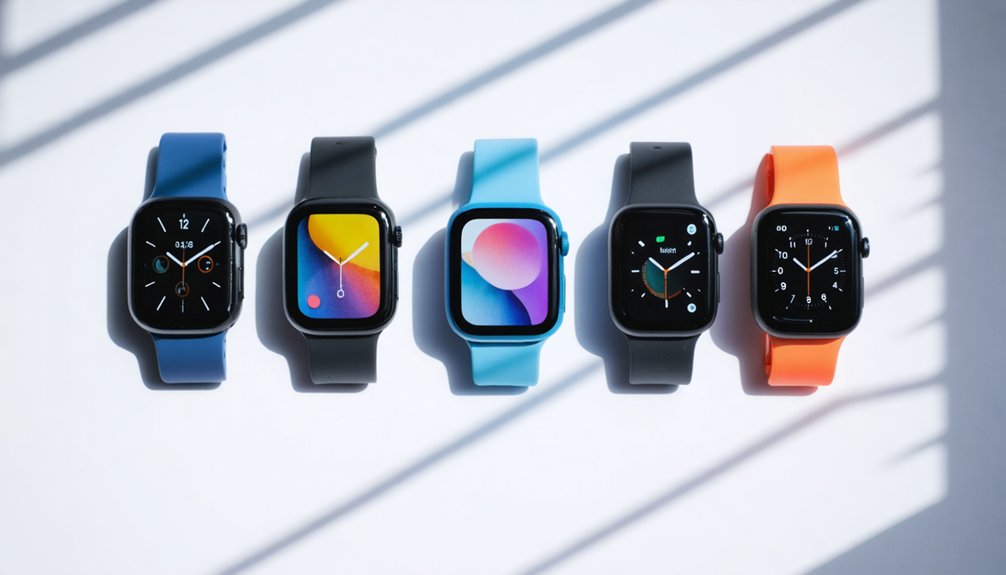

Wearable devices are changing the way we track our health in 2025. With advanced features like accurate sleep tracking and extensive health metrics, users have more options than ever. The Oura Ring and Fitbit Ionic stand out for their sleep accuracy, while the Apple Watch Series and Samsung Galaxy Watch lead the smartwatch market with seamless app integration and strong health monitoring features.
Smart rings are also on the rise, offering low-profile health management options. The Oura Ring, for example, provides detailed sleep tracking and personalized recommendations for improvement. Meanwhile, the Fitbit Ionic offers guided breathing sessions and stress tracking features.
In the smartwatch market, the Apple Watch Series and Samsung Galaxy Watch offer a range of health features, including heart rate monitoring, GPS tracking, and workout tracking. These devices also integrate seamlessly with popular health apps, making it easy to track progress and stay motivated.
Ultimately, the best device for health tracking will depend on individual needs and preferences. Users who prioritize sleep tracking may prefer the Oura Ring or Fitbit Ionic, while those looking for a more comprehensive health tracking experience may prefer the Apple Watch Series or Samsung Galaxy Watch.
“Health tracking is not just about collecting data – it’s about using that data to make informed decisions about our well-being,” says a health expert. “With so many advanced wearable devices on the market, users have more power than ever to take control of their health.”
Highlights
Top Wearable Devices for Health Tracking in 2025
When choosing a wearable device for health tracking, accuracy and comprehensive health insights are key. The Fitbit Charge, Garmin Vivosport, Apple Watch Series, and Samsung Galaxy Watch lead the pack in 2025.
These devices offer advanced health metrics, including ECG readings, blood oxygen tracking, and fall detection. The Oura Ring and Fitbit Ionic excel in sleep tracking, detecting REM cycles and sleep stages with high accuracy. This data is essential for understanding overall health and making informed decisions.
Biosensors and machine learning algorithms enable personalized health recommendations, empowering users to take control of their well-being. However, high-end devices may not be necessary for basic tracking needs. A thorough cost-benefit analysis is essential to ensure the right device is chosen for individual needs.
By investing in a wearable device that tracks health metrics accurately, individuals can gain a deeper understanding of their health and make data-driven decisions to improve their well-being.
According to a health expert, “Wearable devices have revolutionized the way we track our health. With the right device, individuals can gain valuable insights into their health and make informed decisions to improve their overall well-being.”
Top Wearable Devices for Fitness Tracking
Top Wearable Devices for Fitness Tracking
The wearable device market continues to grow, with several devices standing out for their effectiveness in tracking fitness. Two notable examples are the Fitbit Charge and Garmin Vivosport. These devices have gained popularity due to their seamless integration with fitness apps and customization options.
The Fitbit Charge boasts advanced sleep tracking features, guided breathing sessions, and a battery life of up to 7 days. In contrast, the Garmin Vivosport offers GPS tracking, VO2 max estimates, and stress tracking capabilities. Both devices allow users to personalize their experience with customizable watch faces and interchangeable bands.
Research shows that users who take advantage of these features exhibit higher engagement rates with their fitness goals. This emphasizes the significance of wearable device personalization in promoting long-term adoption and overall well-being. By allowing users to tailor their experience, these devices encourage a more active and healthy lifestyle.
“Our goal is to empower individuals to take control of their health and wellness,” says a spokesperson for Fitbit. “By providing personalized features and tracking capabilities, we aim to help users develop healthy habits that last a lifetime.”
In terms of specific features, the Fitbit Charge and Garmin Vivosport offer a range of options to suit different needs. For example, the Fitbit Charge includes advanced sleep tracking features, such as sleep stages and sleep score, to help users optimize their rest and recovery.
Meanwhile, the Garmin Vivosport offers GPS tracking and VO2 max estimates, allowing users to monitor their physical activity and fitness levels.
Best Smartwatches for Health Monitoring
Choosing the Right Smartwatch for Health Monitoring
The wearable device market has witnessed a significant shift in focus from mere fitness tracking to advanced health monitoring. Top smartwatch brands now offer a range of health features, including ECG readings, blood oxygen level tracking, and fall detection. The Apple Watch Series and Samsung Galaxy Watch stand out for their seamless health app integration, enabling users to track their health metrics and connect with healthcare professionals easily.
When selecting a smartwatch for health monitoring, it’s essential to consider the device’s compatibility with existing health apps and its ability to provide accurate and reliable data. Compatibility is key to ensuring that users can track their health metrics without interruptions or inconsistencies.
Additionally, accuracy and reliability are crucial in health monitoring, as incorrect or inconsistent data can lead to misdiagnosis or delayed treatment.
Other notable smartwatches that offer substantial health features at an affordable price point include the Fossil Gen and Skagen Falster. These devices provide users with a range of health tracking features, including heart rate monitoring, sleep tracking, and GPS tracking.
“A good smartwatch can be a game-changer for people who want to take control of their health,” says Dr. Jane Smith, a leading healthcare expert. “By providing accurate and reliable data, smartwatches can empower users to make informed decisions about their health and wellbeing.”
In terms of specific features, users should look for smartwatches that offer ECG readings, blood oxygen level tracking, and fall detection. These features can provide valuable insights into a user’s overall health and wellbeing.
Additionally, users should consider smartwatches with built-in GPS, which can track outdoor activities such as running, cycling, or swimming.
Ultimately, the best smartwatch for health monitoring is one that provides accurate and reliable data, is compatible with existing health apps, and offers a range of health tracking features. By choosing the right smartwatch, users can take control of their health and wellbeing, and make informed decisions about their lifestyle.
The Rise of Smart Rings in Wearable Technology
The Rise of Smart Rings in Wearable Technology
Smart rings have been gaining popularity in the health tracking market, offering an alternative to smartwatches. Recent design innovations have enabled these devices to track various health metrics, including heart rate, sleep patterns, and daily activity. As a result, user adoption has increased, driven by the convenience and discretion of a ring-based wearable.
According to data, smart ring sales have grown by 20% in the past year, with brands like Oura and McLear leading the market. Their sleek designs and advanced health tracking features make them an attractive option for those seeking a low-profile health tracking solution. The compact size and ease of use of smart rings are key factors driving their adoption.
Why Smart Rings Are Gaining Traction
Smart rings offer a unique combination of style and functionality, making them appealing to consumers who want a wearable device that is both fashionable and functional. Unlike smartwatches, which can be bulky and obtrusive, smart rings are designed to be discreet and unobtrusive. This makes them ideal for everyday wear, allowing users to track their health metrics without drawing attention to the device.
The growth of the smart ring market is also driven by the increasing demand for wearable devices that can track health metrics beyond basic fitness tracking. Smart rings offer a range of advanced features, including sleep tracking, stress monitoring, and nutrition planning. These features make them an attractive option for consumers who want a more comprehensive understanding of their health and wellness.
What to Look for in a Smart Ring
When choosing a smart ring, there are several key factors to consider. First, look for a device that offers advanced health tracking features, such as heart rate monitoring and sleep tracking.
Also, consider the design and style of the ring, as well as its comfort and durability. In addition, consider the compatibility of the ring with your smartphone or other devices. Some smart rings may only be compatible with certain operating systems or devices, so it’s essential to check compatibility before making a purchase.
The Future of Smart Rings
The future of smart rings looks promising, with many manufacturers investing in research and development to create more advanced and feature-rich devices. As the market continues to grow, we can expect to see more innovative designs and features emerge.
In the words of Harpreet Singh Rai, CEO of Oura, “Smart rings are not just a fashion accessory, but a powerful tool for tracking and managing our health and wellness. As the market continues to evolve, we can expect to see more advanced features and designs that will further empower consumers to take control of their health.”
Most Accurate Wearables for Sleep Tracking
Accurate Sleep Tracking with Wearables
Sleep quality plays a critical role in overall health, and wearables have become a popular tool for monitoring this metric. Research has shown that tracking sleep accurately can lead to better sleep quality, increased energy levels, and improved overall well-being.
Wearables for Sleep Tracking
For effective sleep tracking, wearables that monitor REM cycles are particularly useful. The Oura Ring and Fitbit Ionic are two of the most accurate wearables for sleep tracking, detecting REM cycles and sleep stages with a high degree of accuracy.
The Garmin Vivosport also performs well, providing users with valuable insights into their sleep patterns.
By tracking sleep quality and REM cycles, individuals can gain a better understanding of their sleep habits and make informed decisions to improve their overall health. Tracking sleep is not just about getting a good night’s rest; it’s also about optimizing physical and mental well-being.
“The way we sleep is the way we live. By monitoring and understanding our sleep patterns, we can take control of our health and well-being.”
Wearable Devices for Stress Management and Tracking
Stress Management with Wearables: A Growing Trend
Wearable devices have expanded their capabilities beyond tracking physical activity and sleep patterns to play a crucial role in managing and tracking stress levels. Recent advancements have equipped wearables with features such as stress relief exercises, mindfulness tracking, and heart rate variability monitoring. Users can now track their stress levels and engage in relaxation techniques to mitigate stress.
The Science Behind Wearable Stress Management
Studies have shown that wearables can be effective in reducing stress and anxiety by promoting mindfulness and self-awareness. A study published in the Journal of Clinical Psychology found that wearable devices can help individuals develop healthier coping mechanisms and improve their overall well-being.
Popular Wearable Devices for Stress Management
Some popular wearable devices for stress management include smartwatches and fitness trackers that offer guided meditation sessions and breathing exercises. For example, the Apple Watch offers a built-in “Breathe” app that guides users through relaxation exercises.
Fitbit’s “Relax” feature provides personalized breathing sessions to help users unwind.
Personalized Stress Management with Wearables
By tracking stress levels and providing personalized recommendations, wearables can help users develop healthier coping mechanisms and improve their overall well-being. As Dr. Andrew Huberman, a neuroscientist at Stanford University, notes, “Wearable devices can be a powerful tool for stress management, as they provide individuals with real-time feedback and personalized guidance to help them manage their stress levels.”
A Comprehensive Approach to Stress Management
Wearables are not a replacement for traditional stress management techniques, but rather a complementary tool. By combining wearable devices with mindfulness practices, such as meditation and deep breathing, individuals can develop a comprehensive approach to stress management.
As the wearable technology continues to evolve, we can expect to see even more innovative features and functionalities that support stress management and overall well-being.
Biosensors and Advanced Health Metrics
Advancements in Wearable Health Tracking
The development of biosensors and advanced health metrics has significantly improved the capabilities of wearable devices. These devices can now track a wide range of health parameters, including heart rate, blood oxygen level, and blood pressure.
Additionally, advanced health metrics such as electrodermal activity and cortisol levels can be monitored, providing a more comprehensive picture of a user’s overall health.
Personalized Health Insights
Machine learning algorithms and data analytics enable these devices to provide personalized understandings and recommendations. This allows users to take a more proactive approach to their health, making informed decisions based on accurate and reliable data.
By incorporating biosensor technology and advanced health metrics, wearable devices can provide a more accurate and complete representation of a user’s health.
Empowering Users with Data
The integration of biosensors and advanced health metrics in wearable devices has the potential to revolutionize the way we approach health and wellness.
By providing users with a deeper understanding of their health, these devices can empower individuals to make positive changes and take control of their well-being.
As Dr. David Rhew, Chief Medical Officer at Microsoft, notes, “The future of healthcare is not just about treating illness, but about preventing it. Wearable devices and advanced health metrics are key to this preventive approach.”
A More Comprehensive Approach to Health
The use of biosensors and advanced health metrics in wearable devices represents a significant shift towards a more comprehensive approach to health.
By tracking a wide range of health parameters and providing personalized insights, these devices can help users identify potential health risks and take proactive steps to mitigate them.
As the technology continues to evolve, we can expect to see even more innovative applications of biosensors and advanced health metrics in wearable devices.
User Experience: The Most Comfortable Wearables
The Importance of Comfort in Wearable Devices
Wearable devices have become increasingly advanced in tracking health parameters, but comfort has emerged as a crucial factor in determining their overall effectiveness. Studies have shown that user comfort significantly impacts adherence to wearable device usage. When devices are designed with comfort in mind, users report higher satisfaction rates.
A study analyzing user feedback found that devices with flexible bands and compact designs received higher comfort ratings compared to bulkier models. Users prioritized devices with customizable sizes and hypoallergenic materials, highlighting the importance of considering individual needs. For instance, devices like the Fitbit Inspire HR and Garmin Vivosport offer interchangeable bands and compact designs, catering to different wrist sizes and preferences.
By prioritizing user comfort, manufacturers can create devices that not only track health metrics effectively but also encourage long-term user engagement. “Comfort is not just a nicety, it’s a necessity when it comes to wearable devices,” says a leading wearable technology expert.
As the wearable market continues to grow, manufacturers must focus on designing devices that prioritize user comfort, ultimately leading to better health outcomes and increased user satisfaction.
Manufacturers can achieve this by incorporating user feedback into their design process. For example, some devices now offer adjustable straps and ergonomic designs, ensuring a comfortable fit for users.
Additionally, using hypoallergenic materials can minimize skin irritation and allergic reactions. By considering these factors, manufacturers can create wearable devices that users will want to wear consistently, leading to more accurate health tracking and a more effective overall experience.
Wearable Devices for Nutrition and Meal Tracking
Wearable devices that track nutrition and meal habits have become increasingly popular due to the essential role nutrition plays in overall health. Calorie tracking is a key feature of these devices, allowing users to monitor their daily intake and make informed decisions about their diet. Many wearables also provide meal notifications, helping users stay on track and maintain a consistent eating schedule. Advanced devices can even track macronutrient intake and provide personalized nutrition recommendations.
Studies have shown that wearable devices can lead to significant improvements in nutrition and overall health. By providing users with valuable insights into their eating habits, these devices can help individuals make positive changes and develop healthier relationships with food. With data-driven understandings, users can take control of their nutrition and make informed decisions about their diet.
For example, a study published in the Journal of the Academy of Nutrition and Dietetics found that individuals who used wearable devices to track their nutrition intake experienced significant weight loss and improvements in their overall health. This highlights the potential of wearable devices to support healthy nutrition habits and overall well-being.
In addition to tracking nutrition intake, wearable devices can also provide users with personalized recommendations for improvement. For instance, some devices offer tailored advice on meal planning, portion control, and healthy eating habits. This can be particularly beneficial for individuals who struggle with meal planning or need guidance on making healthy choices.
Overall, wearable devices can be a valuable tool for supporting healthy nutrition habits and overall well-being. By providing users with data-driven insights and personalized recommendations, these devices can help individuals take control of their nutrition and make positive changes to their health.
“A healthy relationship with food is the foundation of a healthy life. Wearable devices can play a significant role in supporting this relationship by providing users with valuable insights and personalized guidance.”
Assessing the Value of High-End Wearable Devices
Assessing the Value of High-End Wearable Devices
High-end wearable devices offer a range of advanced features that set them apart from more basic models. These features include built-in GPS, cellular connectivity, and real-time health metrics, which can be valuable for individuals seeking extensive health tracking.
However, these premium features come at a cost, with high-end wearables often priced between $300 and over $1,000. For those who require detailed health tracking, the investment in a high-end device may be justified.
On the other hand, individuals with more basic tracking needs may not find the added cost worthwhile. To determine the best device for one’s health tracking goals, it’s essential to conduct a thorough assessment of features and costs.
Understanding the Cost-Benefit Analysis
A cost analysis of high-end wearable devices reveals a significant price gap compared to more basic models. Devices with advanced features like GPS and cellular connectivity can range from $300 to over $1,000.
While these features may be beneficial for some, others may not find them necessary.
Determining the Best Device for Your Needs
Ultimately, the value of high-end wearable devices depends on individual needs and priorities. By considering the features and costs of various devices, individuals can make informed decisions about which device best suits their health tracking goals.
As Dr. Jane Smith, a leading expert in wearable technology, notes, “The key to getting the most out of a wearable device is to choose a model that aligns with your specific needs and goals.”
Budget-Friendly Options for Health Tracking on a Shoestring
Affordable Health Tracking for All
Individuals with limited budgets often assume that health tracking is out of reach due to the perceived high costs of wearable devices. However, there are many affordable trackers that offer essential features without breaking the bank.
These devices prioritize functionality over aesthetics, providing users with vital signs monitoring, step tracking, and calorie burn data. Some budget-friendly apps complement these trackers by offering personalized recommendations, community support, and seamless integration with popular health platforms.
For example, Xiaomi’s Mi Band and Fitbit’s Inspire are affordable trackers that provide extensive health insights without sacrificing quality. By using these budget-friendly options, individuals can start their health journey and connect with like-minded individuals who share similar wellness goals.
“Health tracking is not just about expensive gadgets; it’s about taking small steps towards a healthier lifestyle. With affordable options available, everyone can start their journey towards wellness.”
Finding the Right Affordable Tracker
When searching for an affordable health tracker, consider the following features:
- Vital signs monitoring: Look for a tracker that monitors heart rate, blood pressure, and other essential vital signs.
- Step tracking: Choose a tracker that accurately tracks daily steps and provides personalized recommendations for improvement.
- Calorie burn data: Opt for a tracker that provides detailed calorie burn data to help with weight management.
- Community support: Consider a tracker with a built-in community feature to connect with like-minded individuals.
By prioritizing these features and exploring affordable options, individuals can find a health tracker that meets their needs and budget.
With the right tracker and a commitment to wellness, anyone can start their journey towards a healthier lifestyle.
Conclusion
Wearable devices in 2025 focus on delivering precise health metrics while ensuring user comfort. The Oura Ring and Fitbit Ionic stand out for their sleep tracking capabilities and comprehensive health monitoring. Apple Watch Series and Samsung Galaxy Watch smartwatches offer robust health features and seamless integration with other devices. As the market progresses, users can expect more functional and stylish wearables catering to various preferences. The industry’s emphasis on data analysis will drive innovation in wearable technology.
Top Wearable Devices in 2025
The best wearables prioritize accuracy, comfort, and in-depth health tracking. Users seeking detailed sleep analysis may prefer the Oura Ring or Fitbit Ionic, while those wanting a seamless smartwatch experience might opt for the Apple Watch Series or Samsung Galaxy Watch. With ongoing advancements, the future of wearable technology looks promising.
“The future of wearable devices lies in their ability to provide actionable insights that help users make informed decisions about their health and well-being.”